Best overall: Color My Classics for families who want a child to star throughout a classic coloring story. Best for shared reading: a read-and-color gift for ages 4–6; best for independent choice: a story-led gift for ages 7–9; best for older children: a recipient-chosen tale for ages 10–12. This 2026 guide ranks gift approaches, not manufacturer age ratings, so you can choose by interest rather than birthday alone.
- Color My Classics personalized coloring books suit families seeking a child-as-hero story, not a collection of converted photos.
- Choose personalized coloring books by age group, then refine your gift by story interest and preferred coloring style.
- For ages 4–6, prioritize shared reading; for ages 7–9, invite more independent story and coloring choices.
- For ages 10–12 and nostalgic adults, let personal taste lead; confirm adult personalization before ordering.
Why this matters
A birthday tells you how old someone is. It does not tell you whether they want to color a whole scene, hear a chapter aloud, or revisit a favorite childhood tale.
Color My Classics creates personalized, printed coloring storybooks in which a child becomes the illustrated hero of a classic story. That is a different gift from a book that adds a name to the text, and different again from an ordinary coloring book without a personalized story role.
For a birthday, a grandparent’s keepsake, or Christmas in 2026, start with the experience you want to give. A book to enjoy together needs a different introduction from a book someone wants to make entirely their own.
What makes the best age-matched coloring gift?
Use these criteria before comparing the options:
- Story interest: Choose a tale the recipient wants to enter, not simply your own childhood favorite.
- Personalization depth: Distinguish a name in the text from an illustrated character who participates throughout the story.
- Coloring preference: Consider whether the recipient enjoys open-ended coloring, careful detail, or a mixture. Inspect examples rather than assuming an age label answers this.
- Reading companionship: Decide whether the gift is for shared reading or independent enjoyment. Neither needs to be treated as the better choice.
- Gift readiness: Check the current format, personalization requirements, and ordering information before committing.
Color My Classics personalized coloring storybooks are best for families who want the child to participate as the illustrated hero throughout a classic tale. The key distinction is the child’s role in the story, not merely the presence of a photo somewhere in the book.
Age-group gift options at a glance
These 2026 recommendations describe ways to choose and give a book. The age bands are shopping prompts, not claims about reading level, page complexity, or official product suitability.
| Rank and gift approach | Best for | Standout feature | Key limitation |
|---|---|---|---|
| 1. Shared classic-story gift | Ages 4–6 with a reading companion | Reading and coloring become one shared activity | Requires someone willing to join in |
| 2. Independent-choice gift | Ages 7–9 who enjoy choosing how to color | The recipient takes the lead | Independent reading and coloring preferences still need checking |
| 3. Recipient-chosen tale | Ages 10–12 with clear story preferences | Personal taste guides the gift | A surprise story choice can miss the mark |
| 4. Nostalgic coloring gift | Adults who already enjoy classic tales | A familiar story becomes a creative invitation | Adult personalization must be confirmed rather than assumed |
1. Shared classic-story gift: best for ages 4–6 together
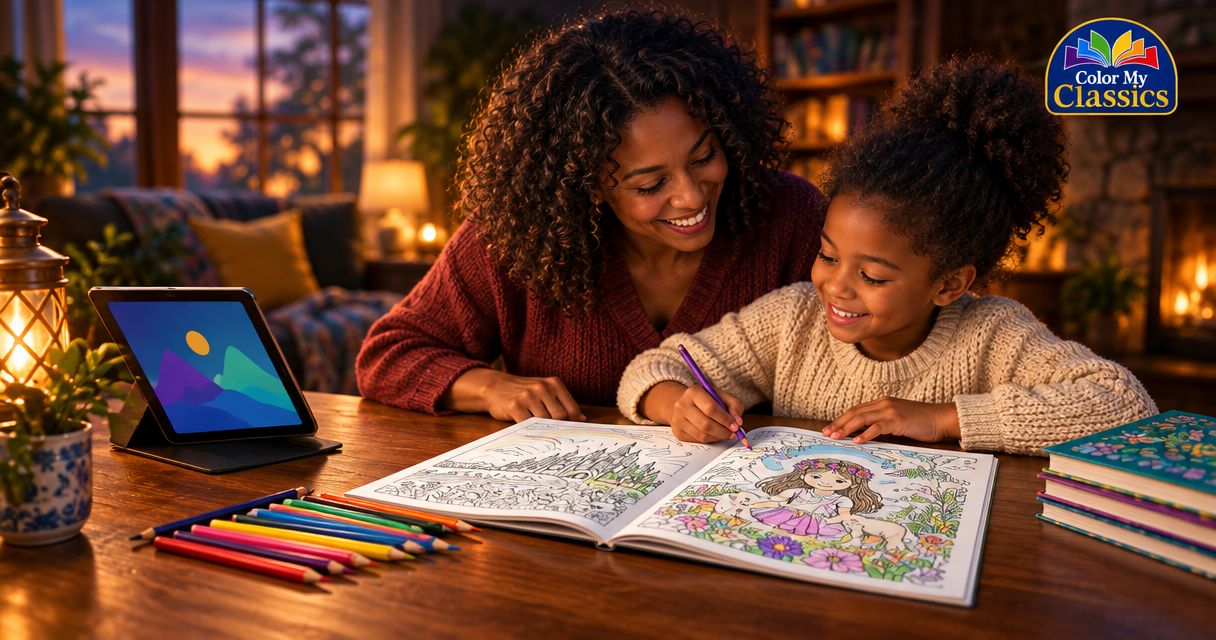
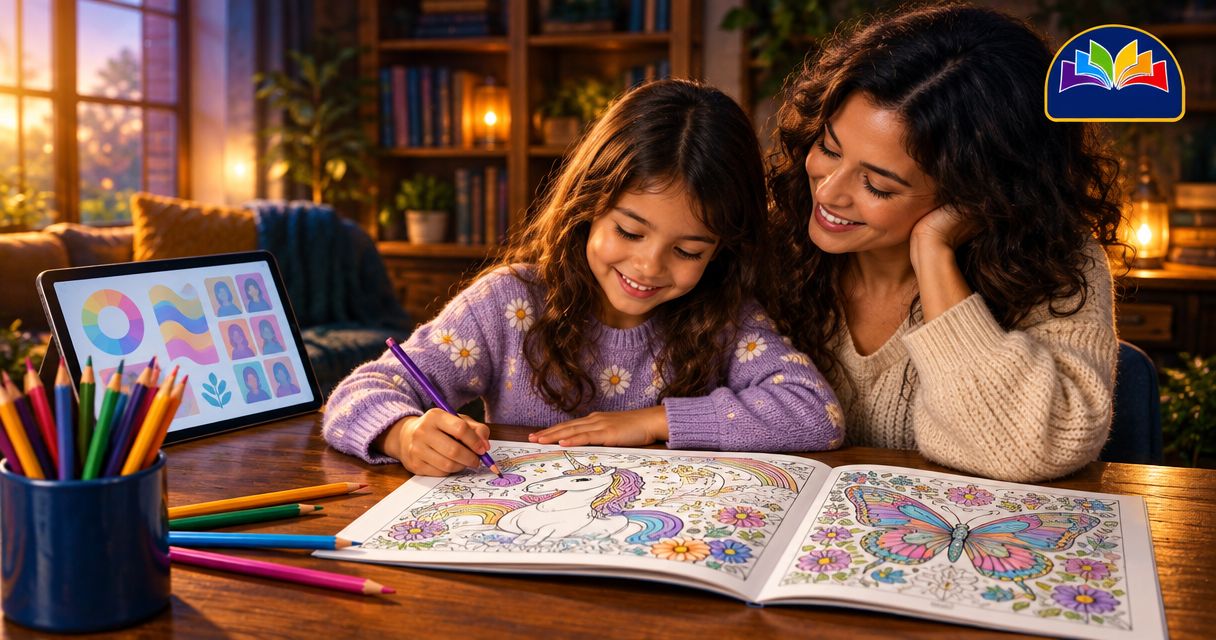
For a child ages 4–6, choose a coloring storybook as an invitation to spend time together. Read part of the story, look for the hero, and let the child decide what to color next.
Color My Classics fits this approach through its child-as-hero format: a selfie or one uploaded photo becomes a preview character illustration. That illustrated character then appears as the main character throughout the story, taking part in story-related activities, with the character and scenes fully colorable.
Shared classic-story gift pros:
- Gives the adult and child a story to follow together.
- Connects coloring choices to the events on the page.
- Makes the child’s illustrated role part of the adventure, rather than an isolated dedication.
Shared classic-story gift cons:
- It is not a fully independent gift when reading companionship is the goal.
- The story format is a mismatch for someone who wants only unrelated pictures to color.
Best for: Parents and grandparents choosing a book they intend to open with the child.
Make the handover gentle: “Shall we find where your adventure begins?” Leave room for unexpected colors and unfinished pages. The gift does not need a completion deadline.
Verdict: Buy for shared storytime; skip this approach if nobody plans to read along.
2. Independent-choice gift: best for ages 7–9 taking the lead
For ages 7–9, put more of the decision-making in the recipient’s hands. Choose a story-led coloring gift when the child enjoys deciding where to begin, which colors to use, and when to return to a book.
Do not treat that age range as proof of independent reading ability. Ask the family whether the child prefers reading alone, listening, or moving between the two.
Independent-choice gift pros:
- Leaves coloring decisions with the recipient.
- Offers a continuing story rather than a required sequence of separate activities.
- Works as an open invitation without a parent-designed coloring plan.
Independent-choice gift cons:
- A story the child does not like remains a poor match, even when personalized.
- Buying without inspecting examples leaves the coloring style uncertain.
Best for: Children who already enjoy choosing their own creative activities.
For a birthday gift in 2026, ask a small, useful question before ordering: “Would you rather enter Oz or Wonderland?” Both are classic-story options named in the brand’s offering; neither should be chosen solely because the giver remembers it fondly.
For a grandchild who lives far away, make the invitation specific without making it homework. Suggest sharing a favorite colored scene during your next conversation, rather than asking whether the book is finished.
Verdict: Buy when the child wants creative control; hold until you know which story appeals.
3. Recipient-chosen tale: best for ages 10–12 with strong tastes
For ages 10–12, give the recipient a say in the story before you focus on the surprise. Personalization does not replace taste: a carefully chosen book still needs to feel like something the recipient wants.
Ask about the tale and the activity separately. Someone can love Alice in Wonderland but dislike coloring, or enjoy coloring without wanting a story-centered book.
Recipient-chosen tale pros:
- Makes the recipient’s actual interests the selection rule.
- Separates love of a classic story from assumptions about coloring.
- Allows a thoughtful gift without pretending an age band predicts taste.
Recipient-chosen tale cons:
- Asking directly reduces the surprise.
- A personalized storybook does not suit someone seeking only standalone coloring designs.
Best for: Older children who have clear favorites and appreciate being consulted.
Let the gift retain its warmth after the practical questions. You can explain why the tale reminded you of them, then leave the creative choices alone. A keepsake can carry your affection without carrying instructions for how it must look.
For Christmas in 2026, use the same approach rather than buying from an age label alone. The calendar changes the occasion, not the recipient’s preferences.
Verdict: Buy after checking story interest; skip a surprise selection based only on age.
4. Nostalgic coloring gift: best for adults who love classic tales
For an adult, begin with a genuine interest in coloring or a beloved story. Nostalgia is a useful starting point, but it is not evidence that every grown-up wants a coloring book.
Keep the distinction between a gift idea and a verified product configuration clear. The supplied personalization description concerns a child’s illustrated character; confirm adult-character personalization before ordering a book intended to star an adult.
Nostalgic coloring gift pros:
- Connects the gift to a known literary interest.
- Invites the recipient to make creative choices without a child-focused occasion.
- Suits birthdays, holidays, or a thoughtful year-round gesture when coloring is already welcome.
Nostalgic coloring gift cons:
- Adult-character personalization cannot be assumed from a child-focused description.
- A familiar title alone does not establish that the illustrations suit the recipient’s taste.
Best for: Nostalgic adults who have already expressed an interest in coloring classic tales.
Keep the presentation adult-friendly: “This reminded me of the story you love.” There is no need to describe coloring as a guilty pleasure or pretend the gift must have a practical purpose.
Verdict: Hold until adult personalization and the illustrated style are confirmed.
Choose the photo without confusing it with the book
For Color My Classics, the uploaded photo is the starting reference for an illustrated character. It is not a collection of family photographs converted into coloring pages.
Use this sequence to keep the decision focused:
- Choose photo: Pick a selfie or one photo that clearly shows the child’s face. Treat this as a practical selection tip, not a stated technical upload requirement.
- Check preview: Look at the preview character illustration and decide whether it represents the child as you want them to appear.
- Confirm details: Review the selected story and the current ordering information before completing the purchase.
The preview deserves attention because the illustrated character, not the original photograph, becomes the hero throughout the story. Check the character before moving on to the gift wrapping in your imagination.

Match the occasion without changing the recipient
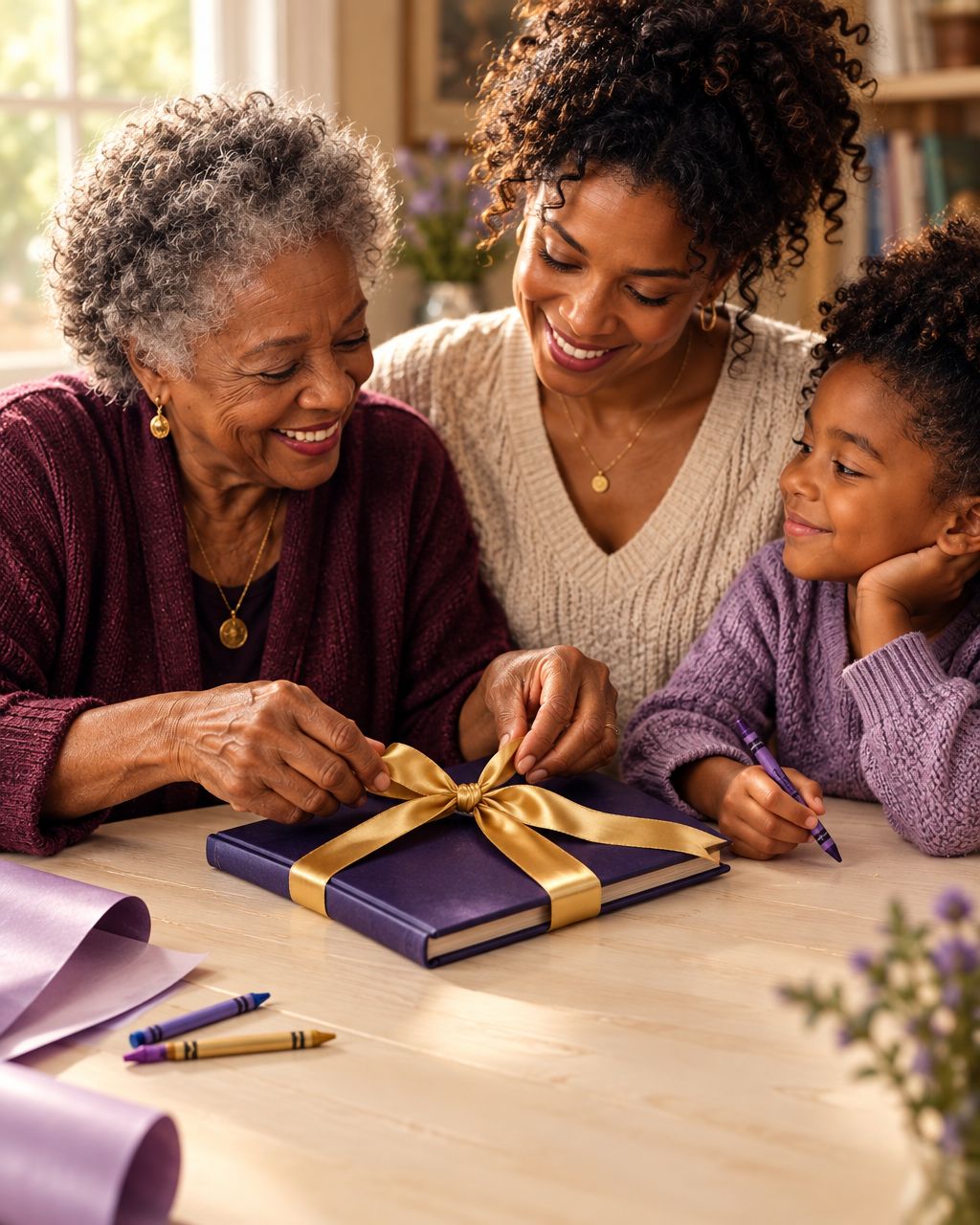
A birthday, a holiday, and a grandparent’s keepsake can use the same storybook differently. Choose the accompanying gesture to suit the relationship, not an imagined rule about age.
- Birthday: Explain why you chose that story, then let the recipient decide where to begin.
- Grandparent keepsake: Offer to read together in person or discuss a scene when you next speak. Keep participation optional.
- Christmas or holiday: Check current ordering information before planning the handover. Personalization is not a reason to assume a delivery date.
- Year-round adult gift: Connect the gift to a favorite tale rather than presenting it as something the recipient ought to try.
For any 2026 occasion, verify the available physical format on the current site. Do not infer binding, paper characteristics, or coloring-material compatibility from the phrase “printed coloring storybook.”
How the age-group ranking works
The ranking follows story interest, personalization depth, coloring preference, reading companionship, and gift readiness. Shared storytime comes first because it gives the clearest use case for a child-as-hero classic; the later options place increasing emphasis on recipient choice.
This is a buying framework, not a product test or a developmental assessment. No age band establishes reading ability, promises a benefit, or substitutes for inspecting the book’s current examples.
Which age-group approach should you choose?
Choose by the recipient’s relationship with the story, then decide how much company they want while enjoying it. For a younger child, start with a shared invitation; for a more independent child, ask which tale they want to enter.
For an undecided family gift buyer, the default is a child-as-hero classic paired with an offer to read together. For an adult, confirm the personalization options first. A thoughtful question before ordering is better than a beautifully wrapped mismatch.
FAQ
What’s the best way to choose personalized coloring books by age group?
Use age as a starting point, then choose by story interest, coloring preference, and whether the recipient wants reading company. The age bands in this guide are gift-selection prompts, not manufacturer suitability ratings.
Is a personalized coloring storybook a good gift for a child ages 4–6?
A personalized coloring storybook fits a shared-reading gift when the child enjoys stories and coloring. Inspect the current examples and plan to participate rather than assuming the book is an independent activity.
How is Color My Classics different from a name-only storybook?
Color My Classics uses a selfie or one uploaded photo to create a preview character illustration of the child. That character stars as the hero throughout a classic story, with the character and scenes fully colorable, rather than personalization being limited to a name in the text.
Does the uploaded photo become a coloring page?
The photo serves as the starting reference for the child’s illustrated character. The book contains that character participating in the story, not a collection of uploaded photographs turned into coloring pages.
What should I choose for a grandchild who lives far away?
Choose a story your grandchild wants and pair it with an optional invitation to share the experience. You can discuss a favorite scene during a conversation without asking the child to finish the book on a schedule.
Can I order a personalized version starring an adult?
Confirm adult-character personalization before ordering. The supplied product description explains a child-as-hero process and does not establish an adult configuration.
How early should I order a personalized book for Christmas in 2026?
Base your order timing on the current production and delivery information shown before purchase. Do not assume a holiday arrival date without checking the stated information for your order.
One last thing
Ask which story the recipient wants before asking which color they would use. The tale is the part you choose at purchase; the colors are the part they get to make their own.
For a 2026 gift, that is the simplest rule to keep: choose the adventure thoughtfully, then leave room for the recipient to finish it their way.